Large Cross Department Project (Total 100+ Developers)
Development Time: 1 Year
Project Type: Game
Engine: Unreal Engine 5
Development Time: 1 Year
Project Type: Game
Engine: Unreal Engine 5
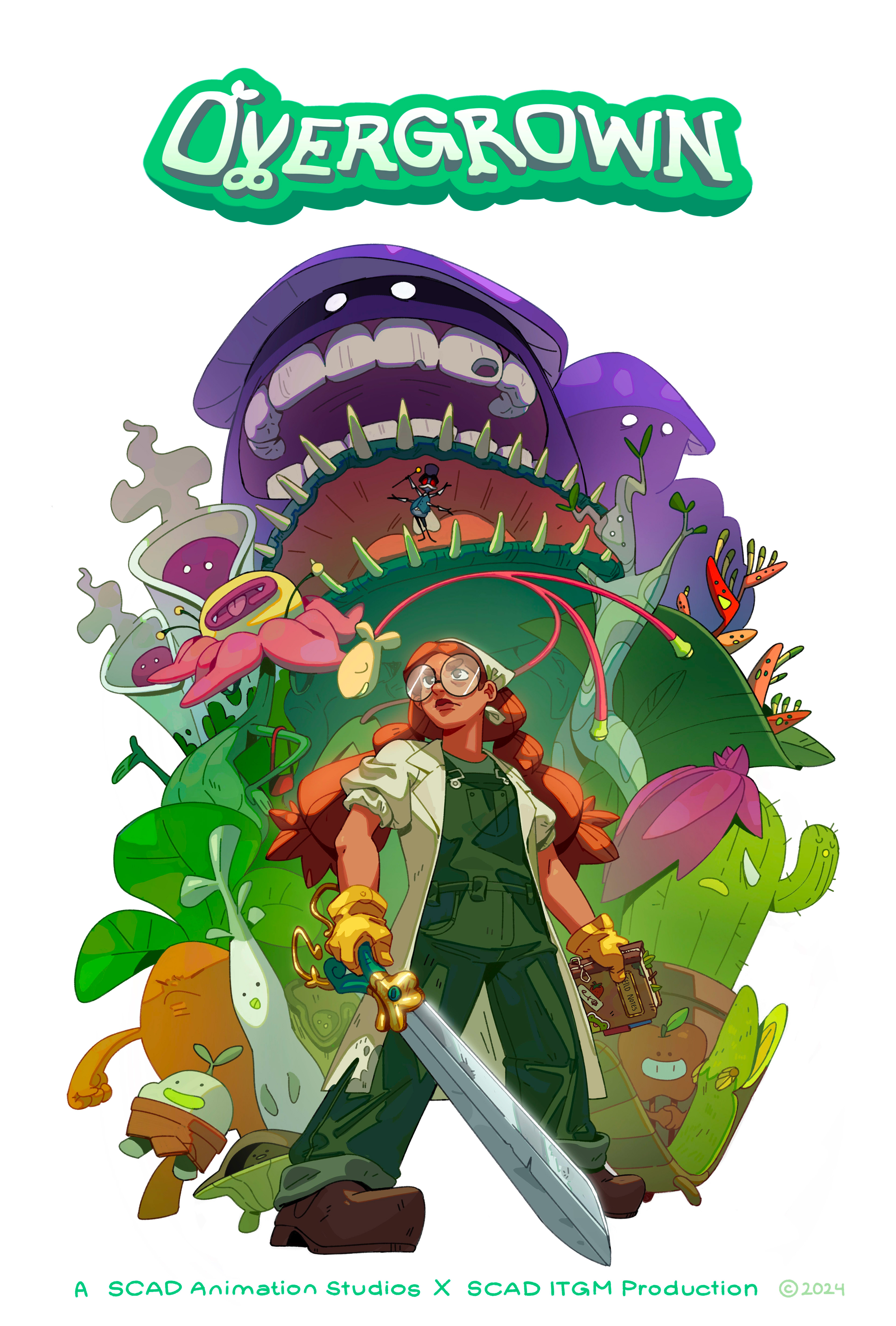
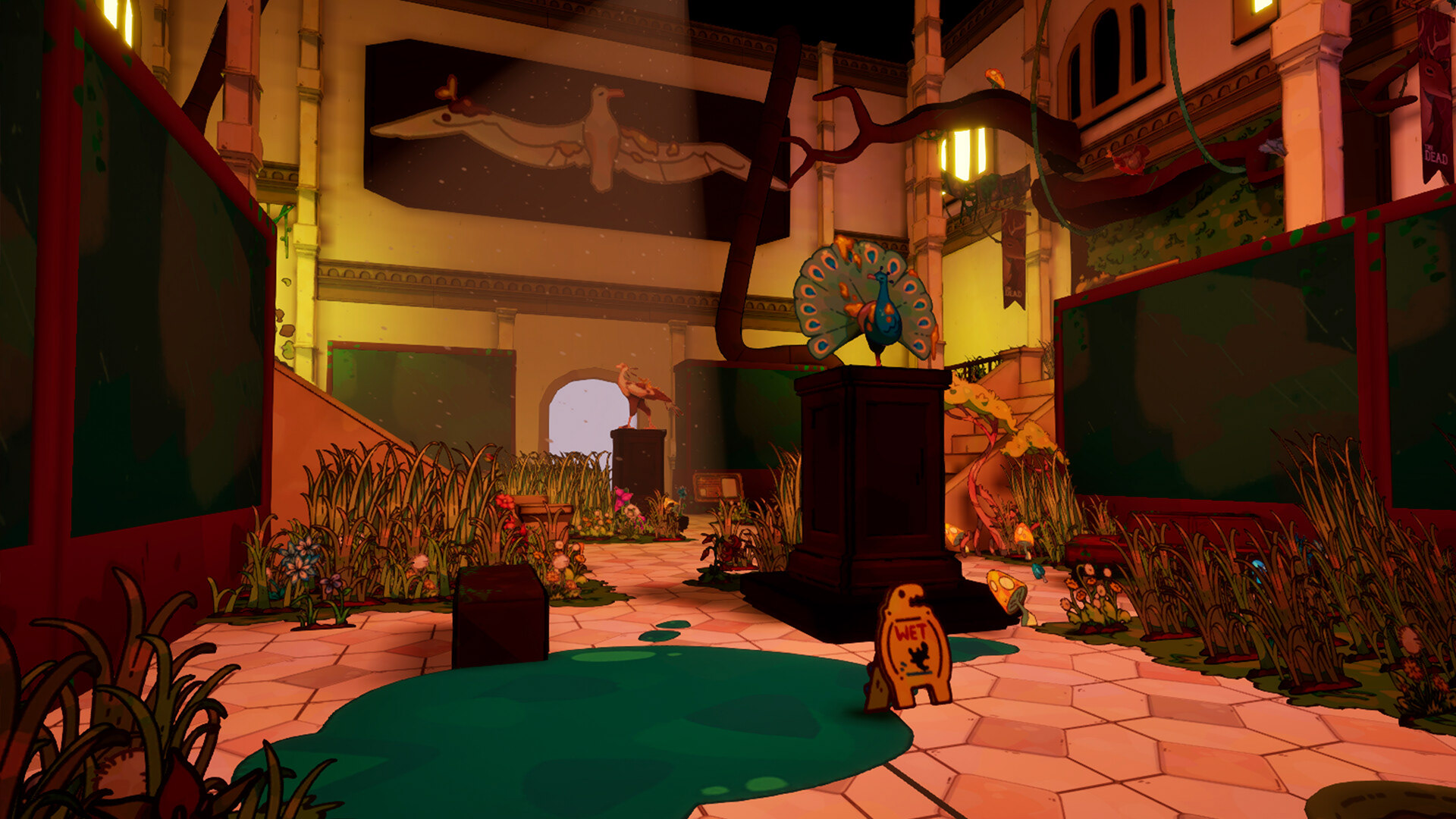
Overgrown is a 2.5D RPG that was created through the collaboration between SCAD's GAME and Animation departments.
It had over 100 total contribution from students over the span of a year
My role on the project was as
- Level designer
- Game designer
- Quest Designer
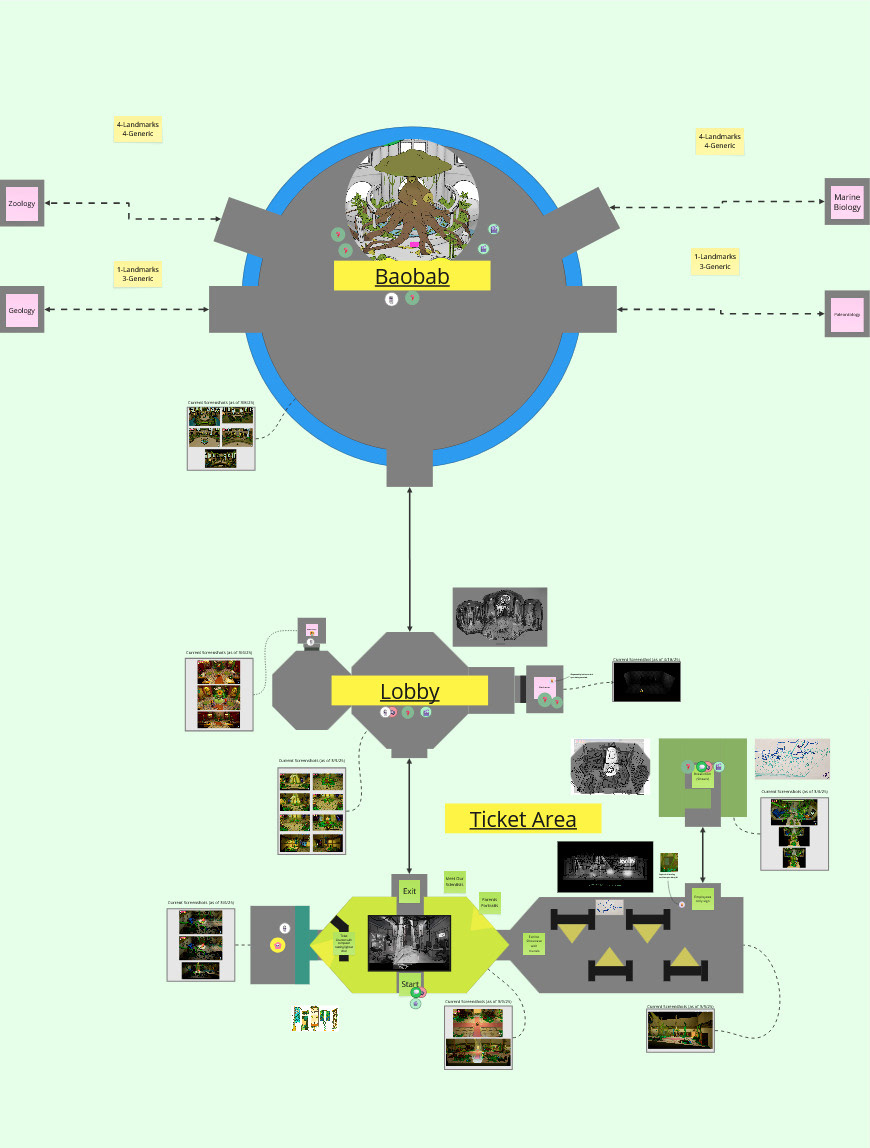
During my first quarter on the project, our goal was to make a playable MVP to represent SCAD at GDC.
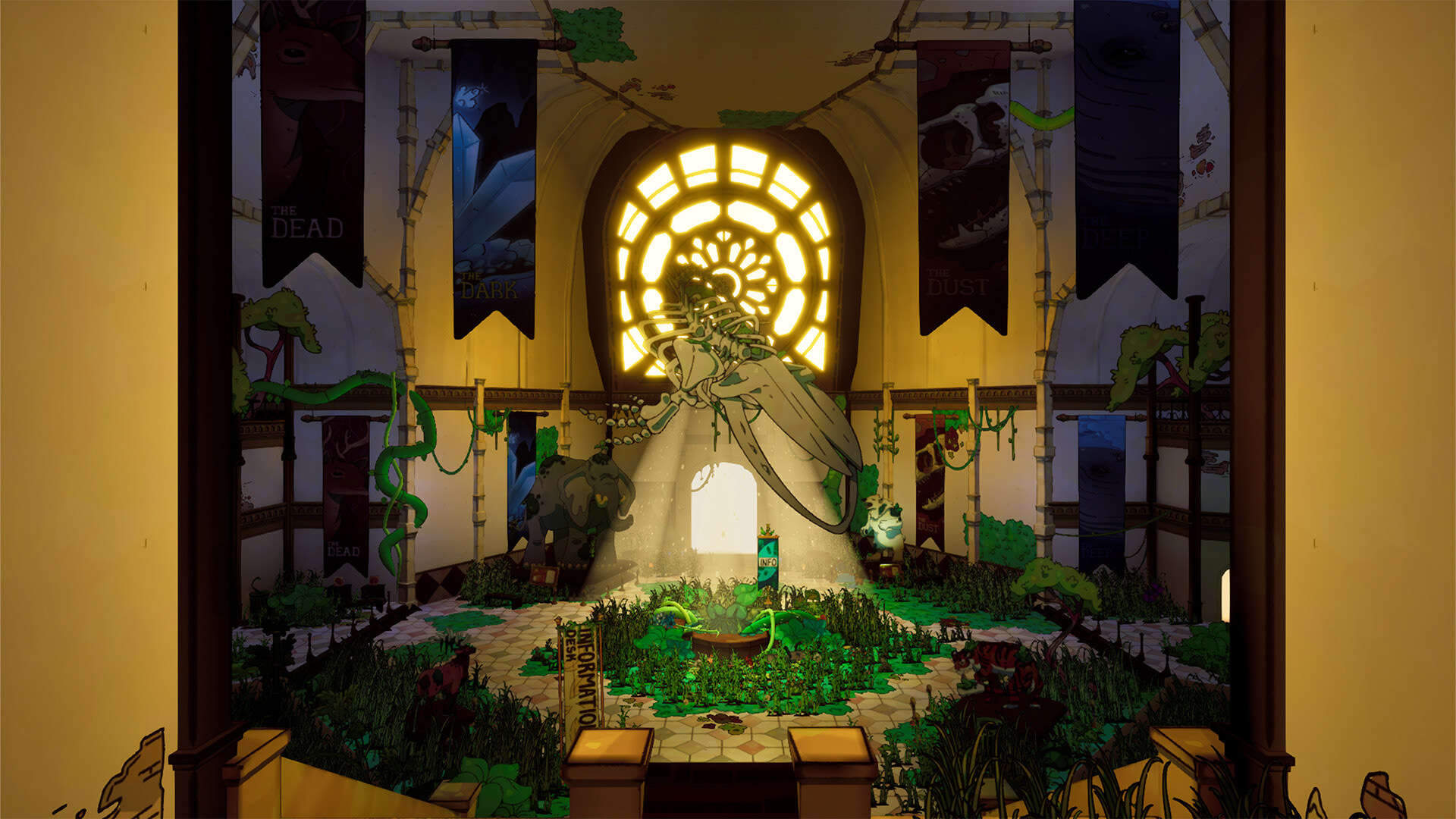
I was given the task of redesigning one of the first tutorial rooms for Overgrown.
I was given the task of redesigning one of the first tutorial rooms for Overgrown.
The room I designed was the main lobby where players were introduced to the games shop keep, Gold Bloom.
After we finalized the first 3 tutorial rooms it became my responsibility to both
- Block out the rooms that we designed
- and also bring in all the system that was required to make all the rooms playable.
Once we finished the tutorial sequence, we began designing the first wing of the Museum “Zoology”.
We had other wings planned but due to time constraints and with how long hand drawn animation takes, we decided to settle on two with those being “Zoology” and “Marine Biology”.
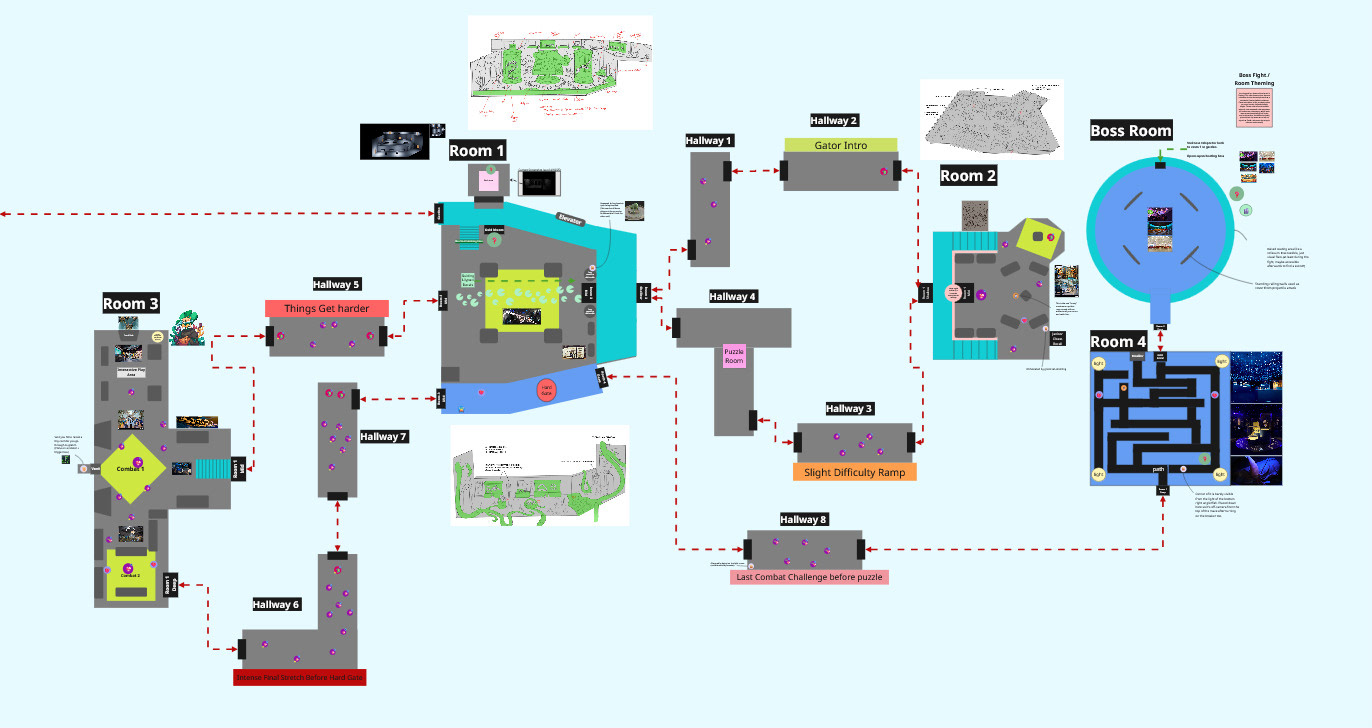
We came up with many different floor plans for Zoology and combined them into a short experience for the MVP.
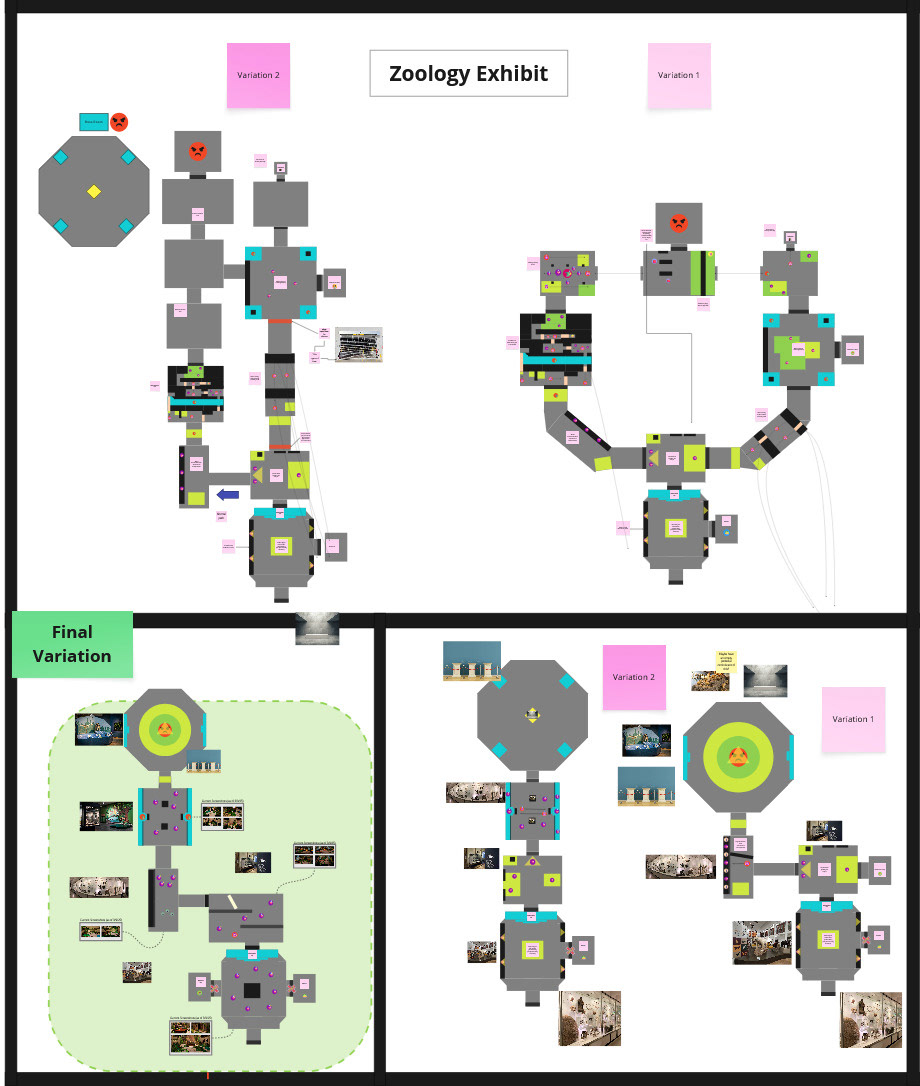
After we settled on the finalized room designs and floor plan,
- It became my job to both bring in the levels and connect all our systems to make the levels playable.
After I finished bringing in the systems
- It became my job to both fine tweak and adjust anything that we felt was either too hard or didn't flow well, in preparation for GDC.
2nd Quarter
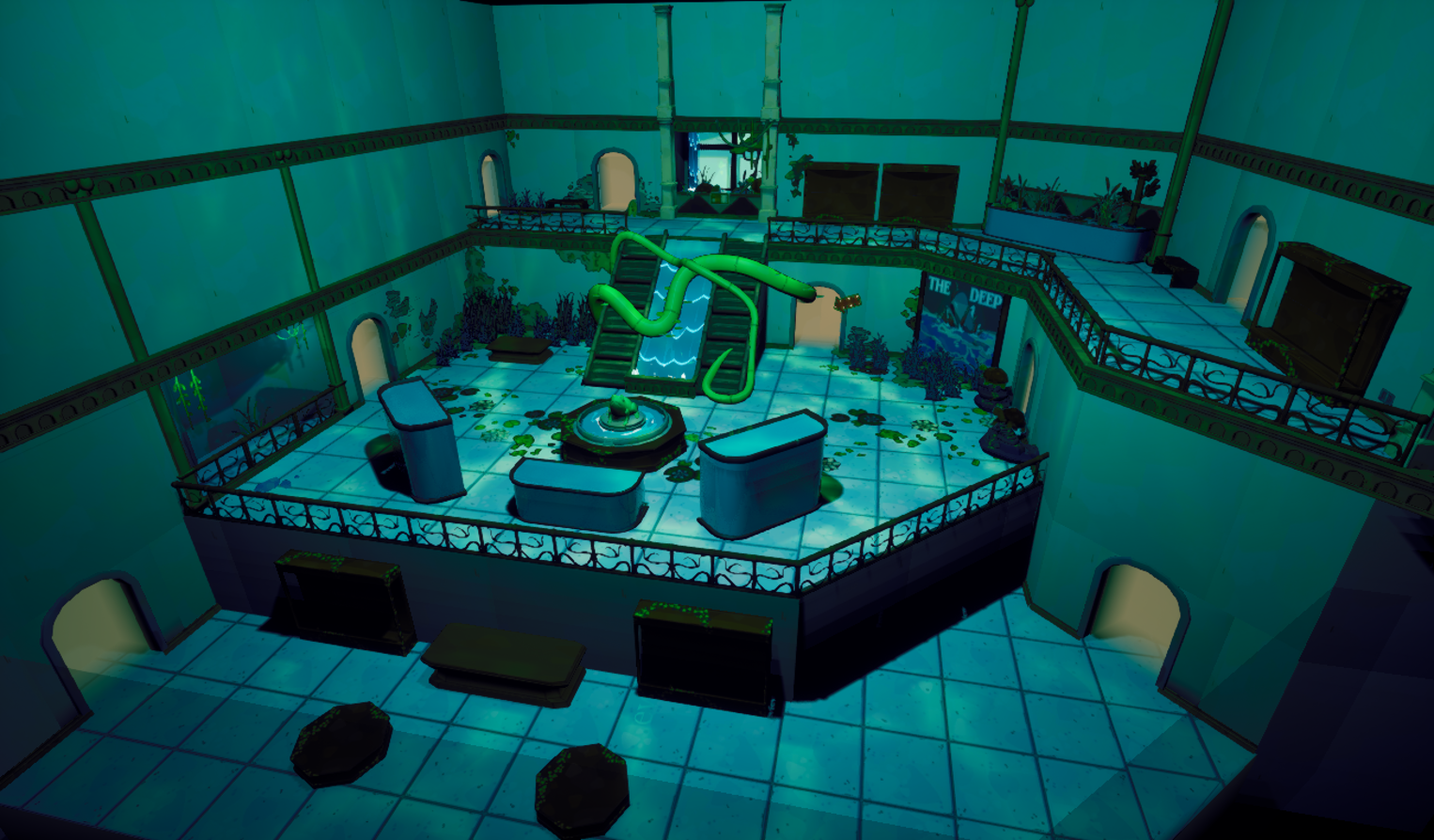
Early block-out of the 1st room of Marine Biology
At the start of the next quarter we knew we had to expand the game to hit our target play time of 30-45 minutes.
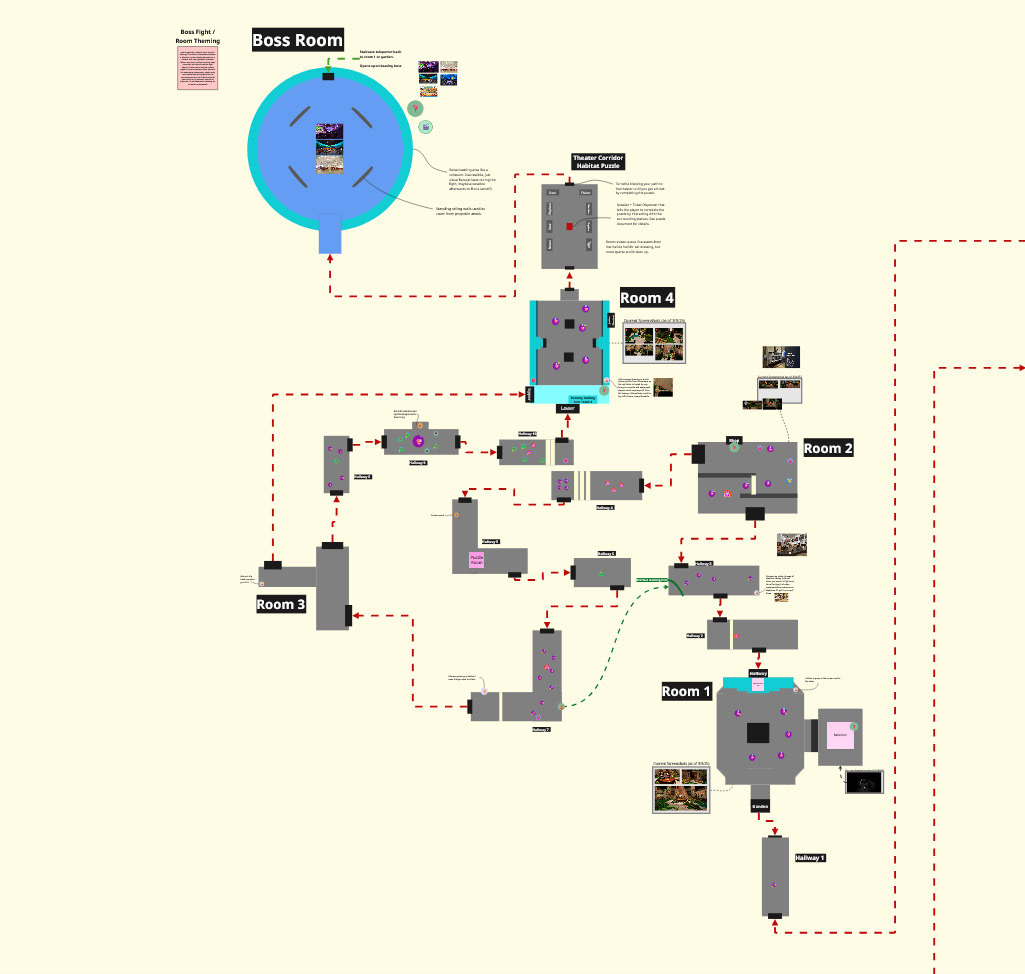
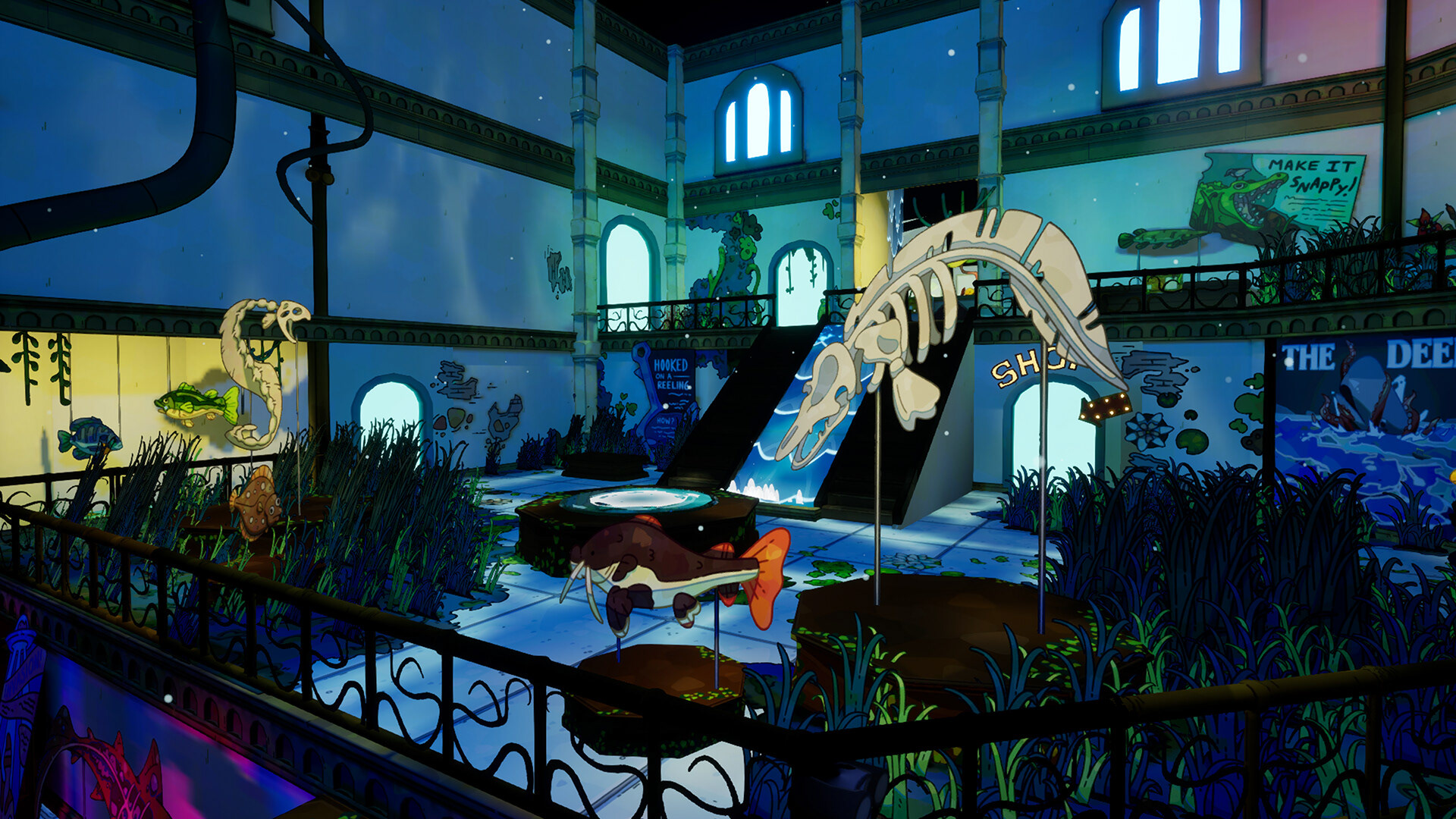
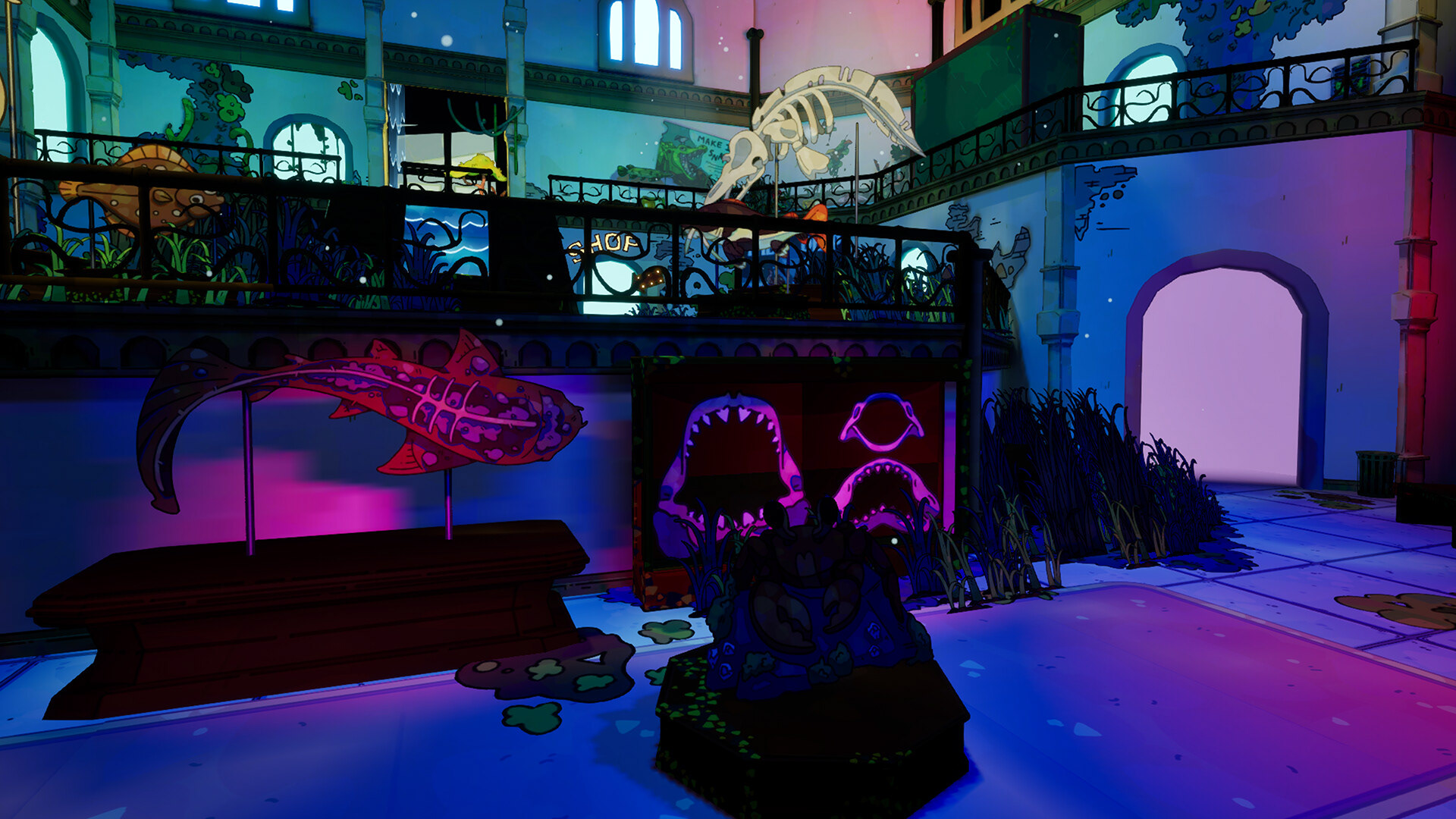
So, we quickly begin designing and creating the Marine Biology wing of the museum.
After Marine Biology was designed, blocked out, and implemented,
we began play testing and found that the game was still too short to hit our target play time.
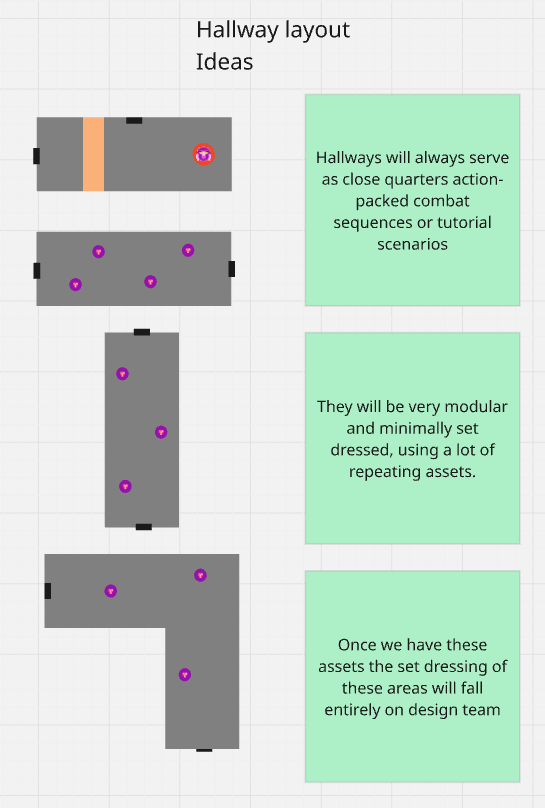
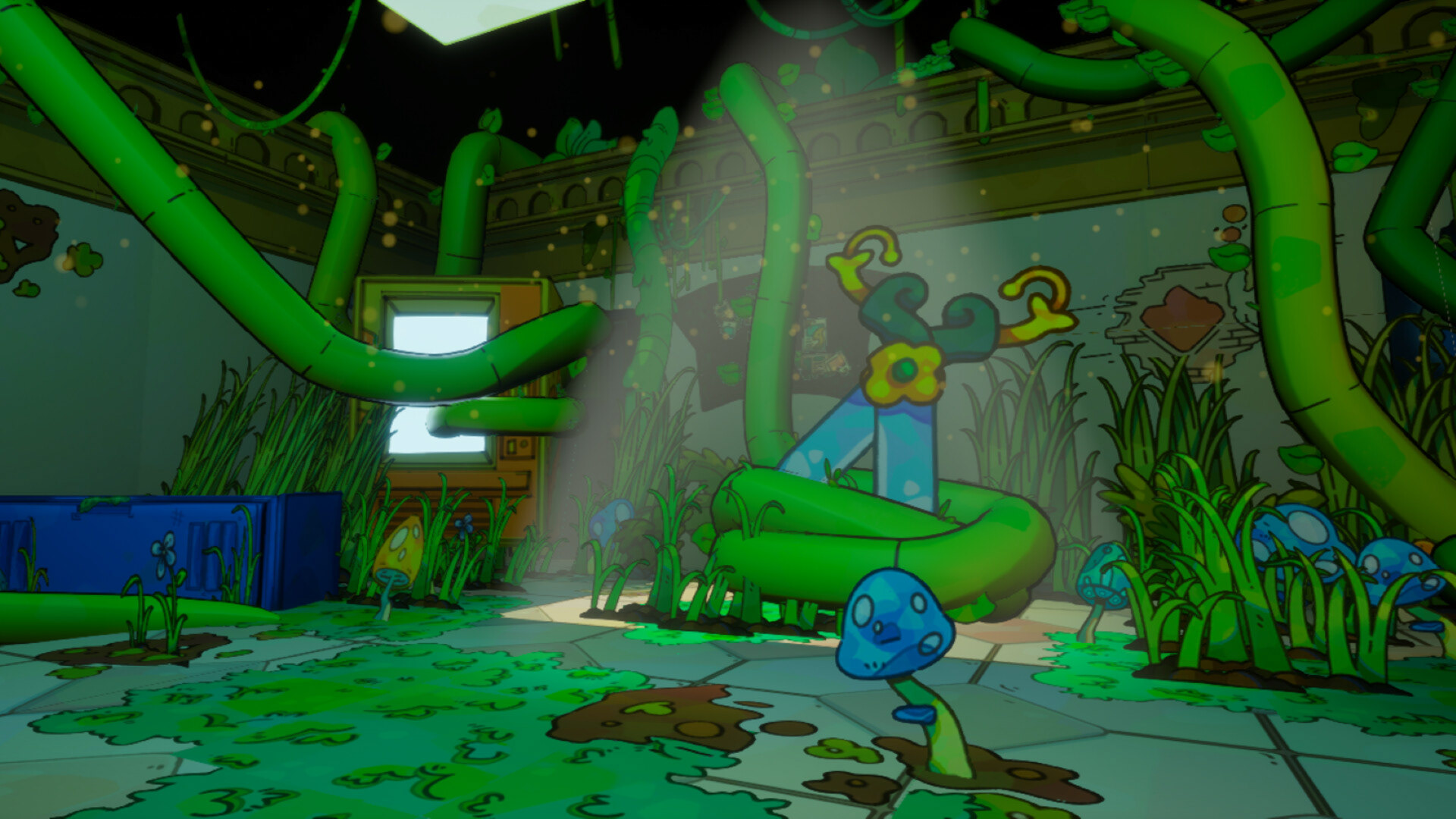
So, we decided to create intermediate hallways to serve as transitional spaces between each main exhibit room.
With it being my responsibility to design block out and implement all the hallways on the marine biology side of the museum.
Fill Map
By the time this was done we had six weeks left in the quarter and we realized that no one was implementing or really designing quests for the game, so I decided to take up this role.
This was a much bigger challenge than I initially thought, our quest system at this point was designed for a linear game and since we decided to make this switch to nonlinear it meant that our system was no longer functioning.
And redesigning the quest system was not really an option due to time constraints.
So, me and one of the systems lead sat down almost everyday tweaking and testing the quest system to get it to work in this new format.
I also realized that our main story quests and almost all side quests weren’t really designed.
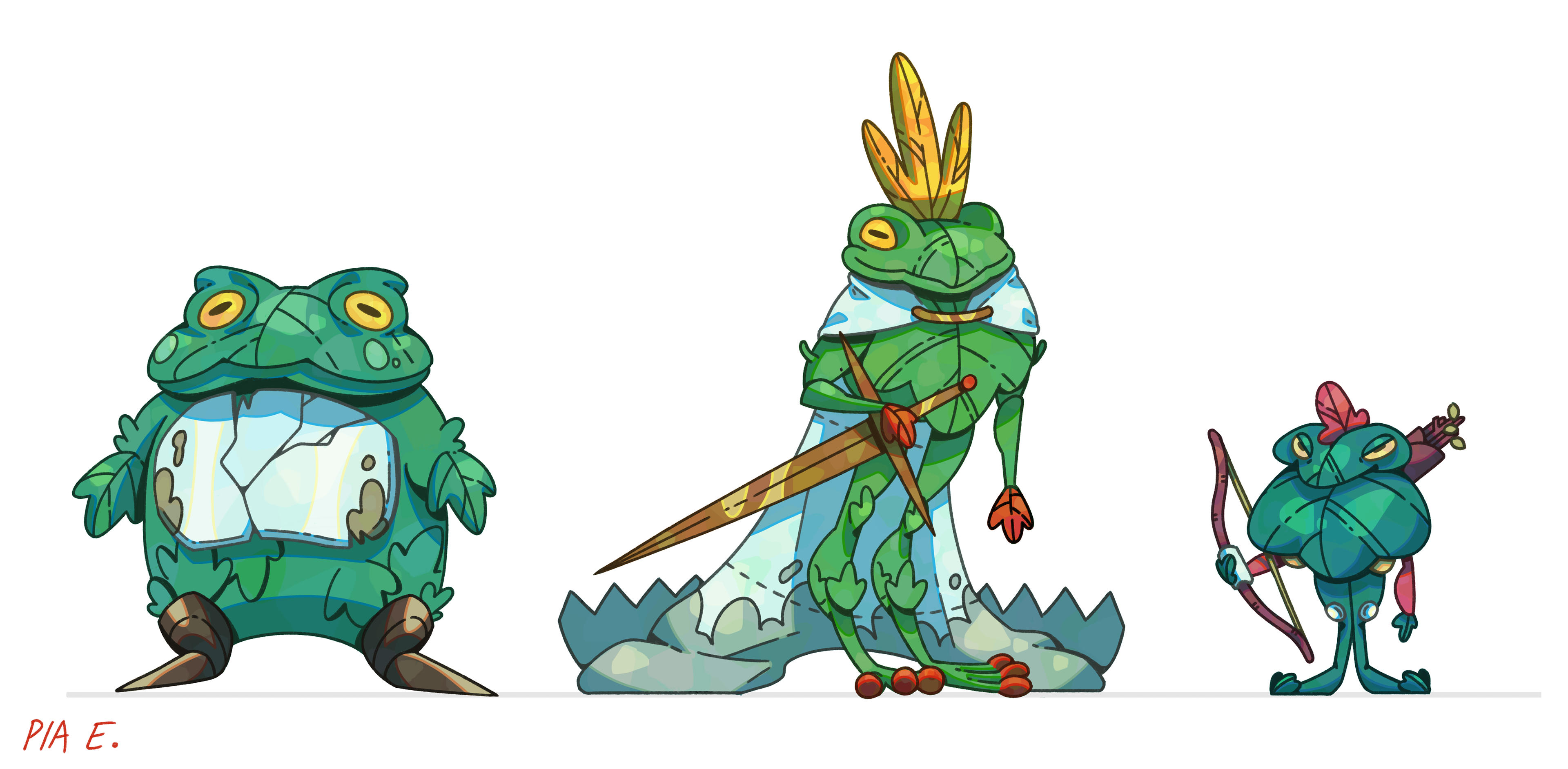
While the characters that players interacted with were already created, how they interacted with the player and what they wanted the players to do wasn't.
So, I ended up designing almost all of the quests in the game including the main story quest.
With all the issues that we were having with our quest system, all the quests got implemented in the last week of the quarter. Right in time for our Steam Lunch.
Looking back
I learned a lot about game development during the creation of Overgrown, not just about myself but also about what works and what doesn't work in a team of that size.
Here in my opinion are the two most important lessons I took away from Overgrown!
1. There is no such thing as a pure designer, designers need to be able to flex into different roles at all times during development. Whether that being art, systems, or implementation. This is especially important towards the end of development. Where it's no longer time to make or design new stuff, and it's time to make sure that everything actually gets in the engine. While also functioning the way that we want.
2. The other lesson that I've really taken away from Overgrown is that communication is key. So many issues that we had on the project were caused mainly by lack of communication between teams and individuals. Or even people not voicing their concerns until it's too late to make those changes.
The biggest thing I learned about myself was that I personally enjoyed being in an engine as much as possible. I enjoyed using the tools created by our great systems team to implement our designs and ideas into the game. I would Often find myself volunteering for this role whenever I could.
Here in my opinion are the two most important lessons I took away from Overgrown!
1. There is no such thing as a pure designer, designers need to be able to flex into different roles at all times during development. Whether that being art, systems, or implementation. This is especially important towards the end of development. Where it's no longer time to make or design new stuff, and it's time to make sure that everything actually gets in the engine. While also functioning the way that we want.
2. The other lesson that I've really taken away from Overgrown is that communication is key. So many issues that we had on the project were caused mainly by lack of communication between teams and individuals. Or even people not voicing their concerns until it's too late to make those changes.
The biggest thing I learned about myself was that I personally enjoyed being in an engine as much as possible. I enjoyed using the tools created by our great systems team to implement our designs and ideas into the game. I would Often find myself volunteering for this role whenever I could.